(707) 913-9691

That posture exercise you found on Instagram? It might be making things worse. With over 42 million possible postural combinations, generic exercises can actually damage your spine if they're wrong for your specific alignment. In our latest blog, we reveal which exercises genuinely help most people—and which popular moves you should approach with caution. Your posture is unique. Your exercises should be too.
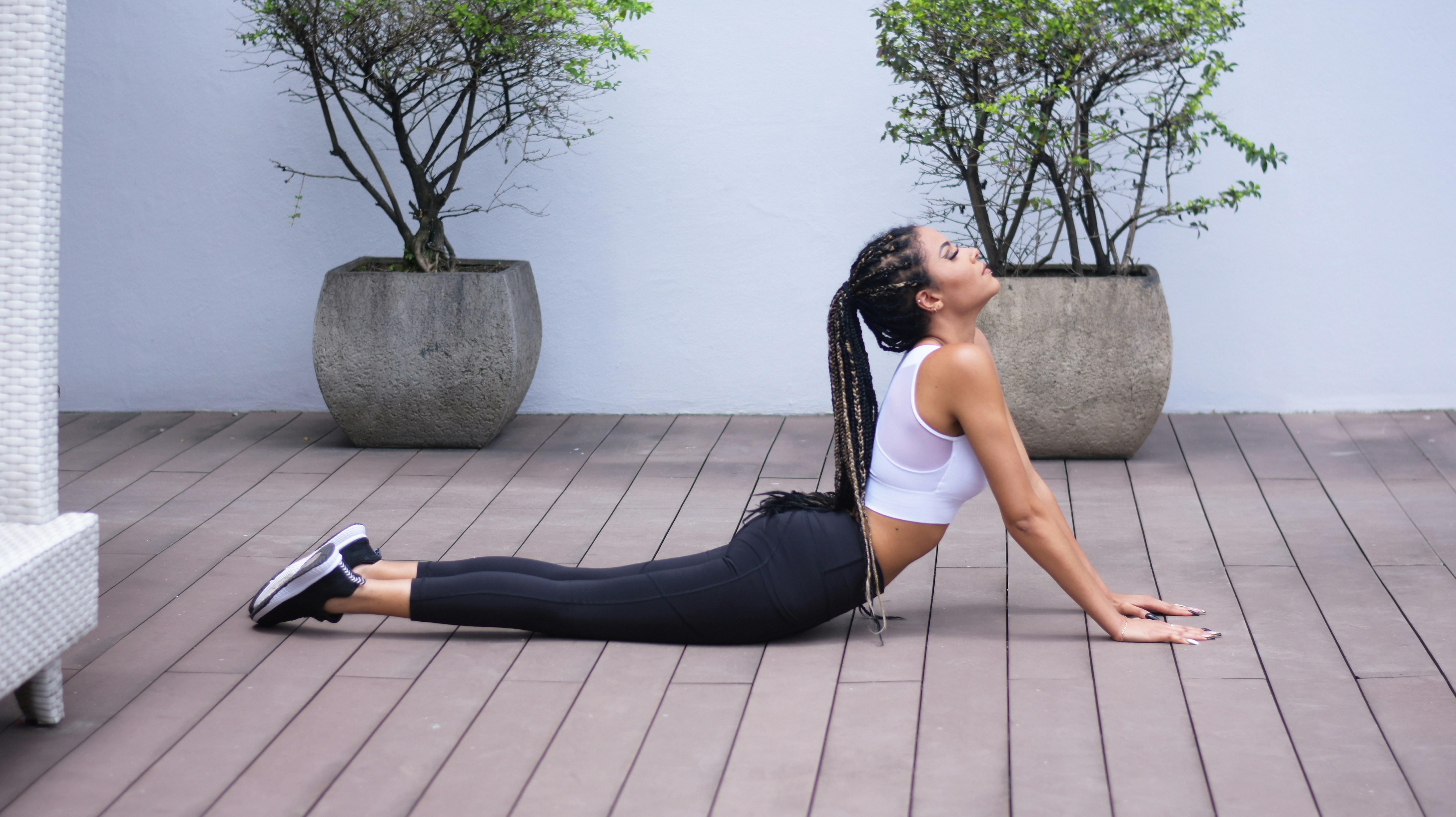
You know good posture matters. You've heard it a thousand times: "Stand up straight!" "Stop slouching!" But here's what most people don't realize: not all posture exercises are created equal—and some of the most popular ones might actually be making your posture worse.
Yes, you read that right. That exercise you found on Pinterest promising to "fix" your forward head posture? It might be doing more harm than good, depending on your specific spinal alignment.
Let's clear up the confusion and help you understand which exercises actually help—and which ones you should approach with caution.
Before we dive into specific exercises, let's talk about why posture is so important in the first place.
Good posture isn't just about appearing confident or standing tall in photos. It's about how your body functions:
Strength, Flexibility, and Balance - Proper posture allows your muscles, joints, and ligaments to work as they're designed to, creating optimal strength and balance.
Pain Prevention - Good posture helps you avoid muscle and joint pain by distributing stress evenly throughout your body instead of concentrating it in vulnerable areas.
Reduced Injury Risk - When your body is properly aligned, you're less likely to strain muscles or damage ligaments during daily activities or exercise.
Efficient Function - Your body simply works better when it's aligned correctly—breathing is easier, digestion improves, and your nervous system communicates more effectively.
Here's the game-changer that most exercise articles won't tell you: there are over 42 million different possible postural combinations in the human body.
Let that sink in for a moment.
Two people might both appear to have "hunched" posture, but one might have actual thoracic kyphosis (excessive mid-back curve), while the other has shoulder rounding with forward head posture. They look similar, but they require completely different corrective exercises.
This is critical because:
That said, there are some exercises that are generally beneficial for most people—and we'll cover those. But first, let's look at what research says.
A comprehensive study investigating posture correction exercise programs found that regularly performing targeted postural exercises can:
The key word? Targeted. The exercises need to match your specific postural needs.
These exercises tend to be helpful for most people by increasing mobility, reducing tension, and gently strengthening postural muscles:
This resting pose stretches and lengthens your spine, glutes, and hamstrings while releasing tension in your lower back and neck.
How to do it:
Why it helps: Releases accumulated tension without forcing your spine into potentially harmful positions.
This standing stretch releases tension in your spine, hamstrings, and glutes while stretching your hips and legs.
How to do it:
Why it helps: Lengthens the entire posterior chain without forcing spinal curves.
This pose relieves pain and stiffness while strengthening your core, shoulders, glutes, and hamstrings. It also develops balance.
How to do it:
Why it helps: Builds the core strength necessary to maintain good posture throughout the day.
This exercise relieves tightness and pain while increasing spinal stability and mobility.
How to do it:
Why it helps: Improves rotational mobility without forcing end-range positions.
This move trains your core muscles to work together to stabilize your pelvis.
How to do it:
Why it helps: Develops the deep core stability necessary for maintaining posture during movement.
This exercise eases back pain by stabilizing core and lower back muscles during arm and leg movements.
How to do it:
Why it helps: Challenges balance and coordination while building postural endurance.
Leg lifts provide better stabilization and balance, strengthening lower abs and inner thighs.
How to do it:
Why it helps: Builds strength in the lower abdominal muscles that support pelvic alignment.
When performing postural exercises, remember:
Now for the part most fitness influencers won't tell you. These common exercises can help some people but damage others, depending on their specific spinal alignment:
The Promise: Fixes forward head posture
The Problem: If you have cervical kyphosis (reversed neck curve or loss of natural curve), chin tucks can hyperextend your cervical spine, causing neck pain, shoulder pain, and headaches.
Why it matters: What looks like forward head posture might actually be a structural curve issue that requires a completely different approach.
The Promise: Strengthens your core
The Problem: Regular crunches can cause excessive tightening and shortening of abdominal muscles, which can deepen the natural thoracic curve, causing exaggerated rounding of the upper back and hunching.
Why it matters: You might be working hard to "improve" your body while actually reinforcing the postural problem you're trying to fix.
The Promise: Opens your chest and improves posture
The Problem: If you have a hunch stemming from a rounded middle back (thoracic kyphosis), shoulder retractions can overstretch your shoulders and damage the rotator cuff.
Why it matters: Your shoulders have independent motion from your back. Pulling them back doesn't fix a spinal curve—it just stresses your shoulder joints.
This is why guessing at posture exercises can be problematic. What you need is:
At PEAK Performance & Posture, we don't hand you a generic exercise sheet and send you on your way.
Thorough Spinal AnalysisWe perform an extremely detailed evaluation of your spine and posture using advanced assessment techniques.
Understand Your GoalsWe take time to understand your overall health objectives—not just what hurts, but what you want to achieve.
Customized Exercise ProgramsBased on your specific spinal alignment and health goals, we create personalized postural exercise routines that:
Ongoing GuidanceWe monitor your progress and adjust your exercises as your posture improves.
Using CBP, we can precisely identify your spinal alignment and create exercise protocols that support—never undermine—your corrective care.
This evidence-based approach ensures that every exercise you do is moving you toward better posture, not accidentally reinforcing poor alignment.
Good posture exercises can be incredibly beneficial—when they're the right exercises for your body.
But blindly following generic exercise routines from the internet is a gamble. You might get lucky and choose exercises that help. Or you might unknowingly be doing exercises that worsen your specific postural issues.
The smart approach? Get assessed. Know your posture. Exercise with precision and purpose.
At PEAK Performance & Posture, we're committed to helping you improve your posture through scientifically sound, personalized exercise programs.
Contact us today to schedule your comprehensive postural analysis. Let's identify your specific alignment, create a customized exercise plan, and ensure every movement you make is helping you achieve better posture and optimal spinal health.
Because good intentions aren't enough. You need the right exercises for your unique body.
